
What Is Copywriting? A Complete Beginner's Guide in 2026
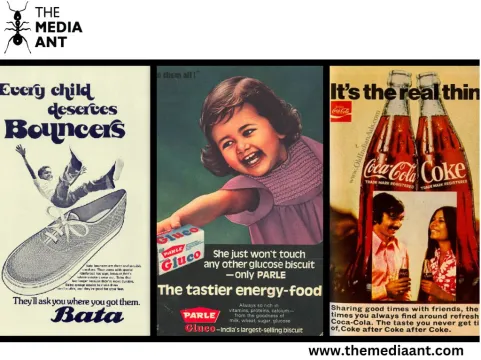
Mastering Persuasive Writing: A Fresh Look at Copywriting for 2026
Digital marketing runs on words that move people. Ads that get clicks, emails that spark purchases, pages that convert visitors, and posts that stop the scroll all share the same foundation: skilful persuasive writing. In a noisy online world, quality products or services rarely sell themselves. Clear, compelling language must capture attention, establish credibility, and guide readers toward a decision. This practice is known as copywriting.
Copywriting remains one of the highest-leverage abilities in marketing because it directly shapes revenue and customer behaviour. Anyone building a brand, managing campaigns, freelancing, or developing writing skills gains an edge by learning how to influence action. The aim is always specific: encourage a purchase, a subscription, a download, a booking, a click, or a registration.
This overview explores the nature of copywriting, its commercial value, main categories, foundational abilities, useful structures, practical techniques, typical errors, technology’s influence, career options, and what the field looks like in 2026.
Understanding the Craft
At its core, copywriting produces marketing text engineered to produce a measurable response. The text itself is called copy. It blends insights from human behaviour, commercial strategy, and precise language. Success is measured by whether readers take the intended next step—buying, signing up, requesting information, or engaging further.
Commercial Value
Well-crafted copy draws qualified interest, creates leads, lifts revenue, strengthens reputation, expands visibility, improves customer loyalty, raises conversion percentages, and helps brands stand out. Without effective messaging, even superior offerings can fail to gain traction.
How It Differs from Informational Writing
Persuasive marketing text and educational content serve different purposes. The former drives immediate decisions and tends to be concise, appearing in paid ads, sales pages, product listings, and promotional emails. The latter prioritises teaching or informing and usually takes the form of longer articles, tutorials, reports, or resource pages. Both skills matter, yet only the persuasive variety is built around conversion.
Primary Forms in Practice
Businesses rely on several specialised applications:
Website text introduces offerings and brand strengths while directing visitors to act on key pages. Search-optimised writing pairs persuasion with ranking tactics so pages attract organic visitors and convert them. Paid advertising text must seize attention instantly across search, social, and video platforms. Email sequences nurture relationships and generate sales through onboarding, offers, and updates. Platform-specific posts on social networks aim for engagement and measurable response. Product descriptions transform specifications into reasons to buy. Sales-focused pages and funnels concentrate solely on turning interest into transactions.
Behavioural Insights That Drive Results
Purchase decisions often stem from emotion, unmet needs, convenience, trust signals, social validation, and urgency. Writers who recognise these triggers can frame solutions in ways that feel relevant and timely.
Abilities Worth Developing
Audience research uncovers real problems, goals, hesitations, and motivations. Language must motivate without sounding forced. Simplicity and directness usually outperform complexity. Original angles help messages cut through noise. Understanding customer pathways and decision stages sharpens effectiveness.
Time-Tested Structures
Several reliable sequences guide professional work:
One common approach opens with a striking headline to gain notice, builds curiosity around a relevant issue, intensifies desire for relief or gain, and closes with a precise invitation to act. Another highlights a difficulty, amplifies its consequences, then presents a clear remedy. A third lists what a product does, explains the practical advantages, and shows the personal gains that follow.
Creating Stronger Messages
Begin with a clear picture of the intended reader—background, priorities, obstacles, and decision patterns. Stress results and improvements rather than technical details alone. Headlines should be concrete, outcome-oriented, and hard to ignore. Everyday language works best. Every piece needs an explicit next step, such as “Explore Options,” “Reserve Your Place,” or “Get the Details.”
Errors That Weaken Impact
Common problems include emphasising features without outcomes, producing dense blocks of text, using vague openings, ignoring reader priorities, omitting clear invitations to act, leaning on empty phrases, skipping research, and adopting a hard-sell tone. Messages that feel useful and considerate consistently outperform those that pressure.
Technology’s Influence
AI tools now help generate concepts, openings, first drafts, descriptions, and campaign text. Strategic thinking, emotional nuance, and original judgment remain uniquely human strengths. Professionals who treat AI as an assistant rather than a substitute produce the strongest results. Looking ahead, expect greater personalisation, more natural conversational styles, optimisation for voice queries, heavier emphasis on conversion data, and coordinated messaging across channels. The need for thoughtful persuasion will not disappear.
Professional Opportunities and First Steps
Demand for skilled writers stays high. Paths include independent project work, agency positions, internal marketing roles, search-focused specialisation, email strategy, conversion optimisation, and broader content planning. Companies invest in the skill because it influences income directly.Those starting can study high-performing campaigns, explore decision psychology, write consistently, learn basic search principles, create practice pieces, assemble examples of their work, and observe experienced practitioners. Regular effort produces visible progress.
Closing Perspective
Persuasive writing turns attention into action across websites, promotions, messages, and sales materials. When rooted in audience understanding, clear benefits, proven sequences, and genuine helpfulness, it builds trust and delivers measurable outcomes. For newcomers, it offers a practical capability with wide application—whether supporting a business, developing freelance income, refining campaigns, or pursuing writing professionally. Even as tools evolve, the value of human-centred, strategic communication remains essential in 2026 and beyond. Know more about best digital marketer in malappuram.