
What Is SEO? A Complete Guide to SEO in 2026
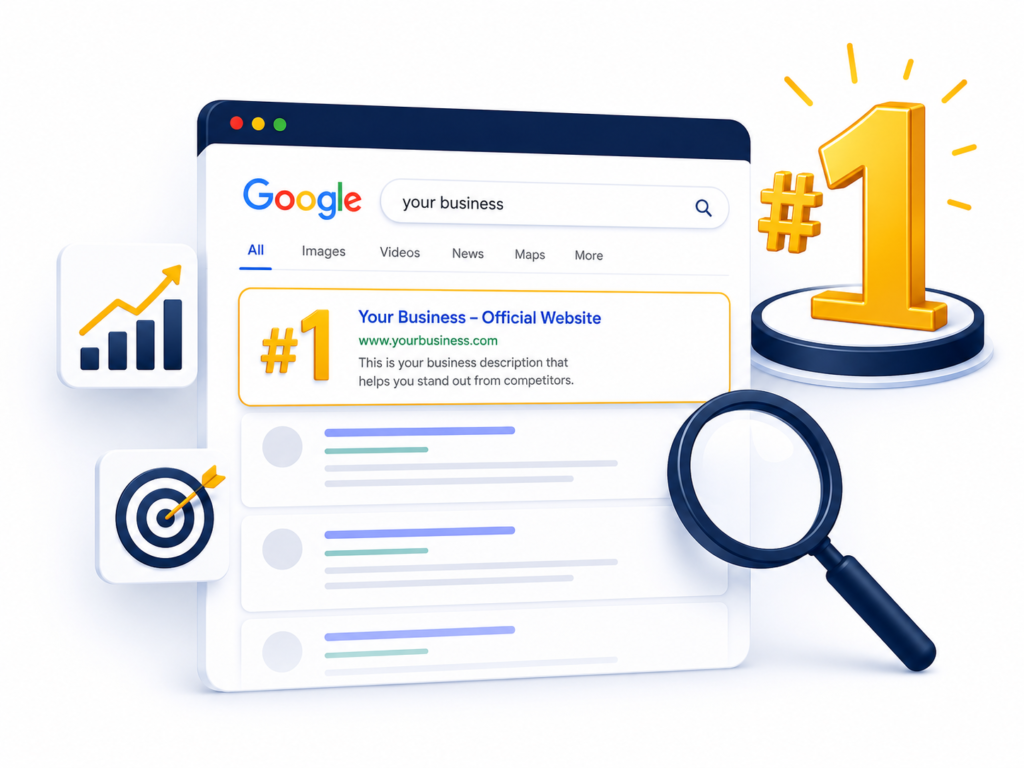
SEO (Search Engine Optimisation) helps businesses improve their visibility on search engines and attract visitors through organic results. In 2026, having a website alone is not enough. With millions of websites competing for attention, businesses need valuable content, strong website performance, and a clear understanding of what their audience is searching for.
Search engines are also becoming smarter with artificial intelligence. They can understand context and user intent more effectively, making relevance, accuracy, and helpful information more important than simply repeating keywords.
What Is SEO?
Search Engine Optimisation is the process of improving a website so it has a better chance of appearing higher in search engine results pages (SERPs). The main goal is to attract relevant visitors without paying for every click.
A typical strategy may include:
- Keyword research
- On-page optimisation
- Technical improvements
- Content creation
- Link building
- Local search optimisation
- Website performance improvements
For example, someone searching for “best digital marketer in Kerala” is more likely to notice websites that provide relevant information and demonstrate credibility.
How Do Search Engines Work?
Search engines generally process webpages through three stages:
1. Crawling
Automated programs called crawlers discover webpages by following links and collecting information.
2. Indexing
After discovering a page, the search engine analyses its content and may store it in its index. Duplicate, restricted, or low-quality pages may not be included.
3. Ranking
When a person searches for something, algorithms evaluate different signals to determine which pages best answer the query. Content quality, search intent, backlinks, website speed, mobile usability, and user experience can influence rankings.
Main Types of SEO
On-Page SEO
This area focuses on elements within a website, including:
- Keywords
- Titles and meta descriptions
- Headings
- Images and alt text
- Internal links
- URLs
- Helpful content
Off-Page SEO
Off-page activities build a website’s reputation and authority. Quality backlinks, guest posting, digital PR, and brand mentions are common examples.
Technical SEO
Technical optimisation helps search engines crawl and understand a website. Important areas include page speed, HTTPS, XML sitemaps, robots.txt, structured data, Core Web Vitals, and site architecture.
Local SEO
Local optimisation helps businesses reach customers in specific locations. Google Business Profile optimisation, customer reviews, accurate business information, and location-based content can improve local visibility.
Important Ranking Factors in 2026
Modern search optimisation focuses on more than keyword placement. Important areas include:
- Helpful content: Answer real questions and solve audience problems.
- Search intent: Match content with what users actually want.
- E-E-A-T: Demonstrate experience, expertise, authoritativeness, and trustworthiness.
- Website speed: Fast pages provide a better browsing experience.
- Mobile usability: Ensure pages work properly on smartphones and tablets.
- Quality backlinks: Earn links from relevant and trustworthy websites.
- User experience: Provide clear navigation and readable content.
Common Mistakes to Avoid
Businesses should avoid:
- Keyword stuffing
- Duplicate or thin content
- Slow-loading pages
- Poor mobile design
- Low-quality backlinks
- Broken links
- Weak internal linking
- Outdated information
- Ignoring technical problems
Regular website audits can help identify and fix these issues.
Best Practices for 2026
To improve search visibility:
- Research relevant keywords and understand user intent.
- Publish original, useful, people-first content.
- Optimise titles, headings, URLs, and meta descriptions.
- Improve page speed and Core Web Vitals.
- Earn relevant backlinks from credible websites.
- Optimise images with descriptive file names and alt text.
- Connect related pages through internal links.
- Refresh outdated content regularly.
- Monitor performance using Google Search Console and Google Analytics.
Consistent improvements are more effective than occasional optimisation.
How Long Does SEO Take?
Search optimisation is a long-term process. Some websites may see measurable improvements within three to six months, while competitive industries can take six to twelve months or longer.
The timeframe depends on competition, website quality, content, backlinks, technical performance, and consistency.
SEO vs Paid Advertising
Organic search and paid advertising serve different purposes. Organic optimisation builds visibility gradually, while paid campaigns can provide immediate exposure.
Businesses can use organic strategies for sustainable traffic and authority while using advertisements for product launches, promotions, and short-term campaigns. Combining both can support immediate and long-term marketing goals.
Conclusion
In 2026, successful search optimisation is about much more than adding keywords to webpages. Businesses need to understand their audience, create useful content, maintain a technically strong website, establish credibility, and provide a positive user experience.
A consistent approach can help businesses improve online visibility, attract relevant visitors, and achieve sustainable growth.
To improve your online presence, explore professional digital marketing services in Malappuram.